Urban Heat Map for Stray Animals
Heat Map
Water Stations
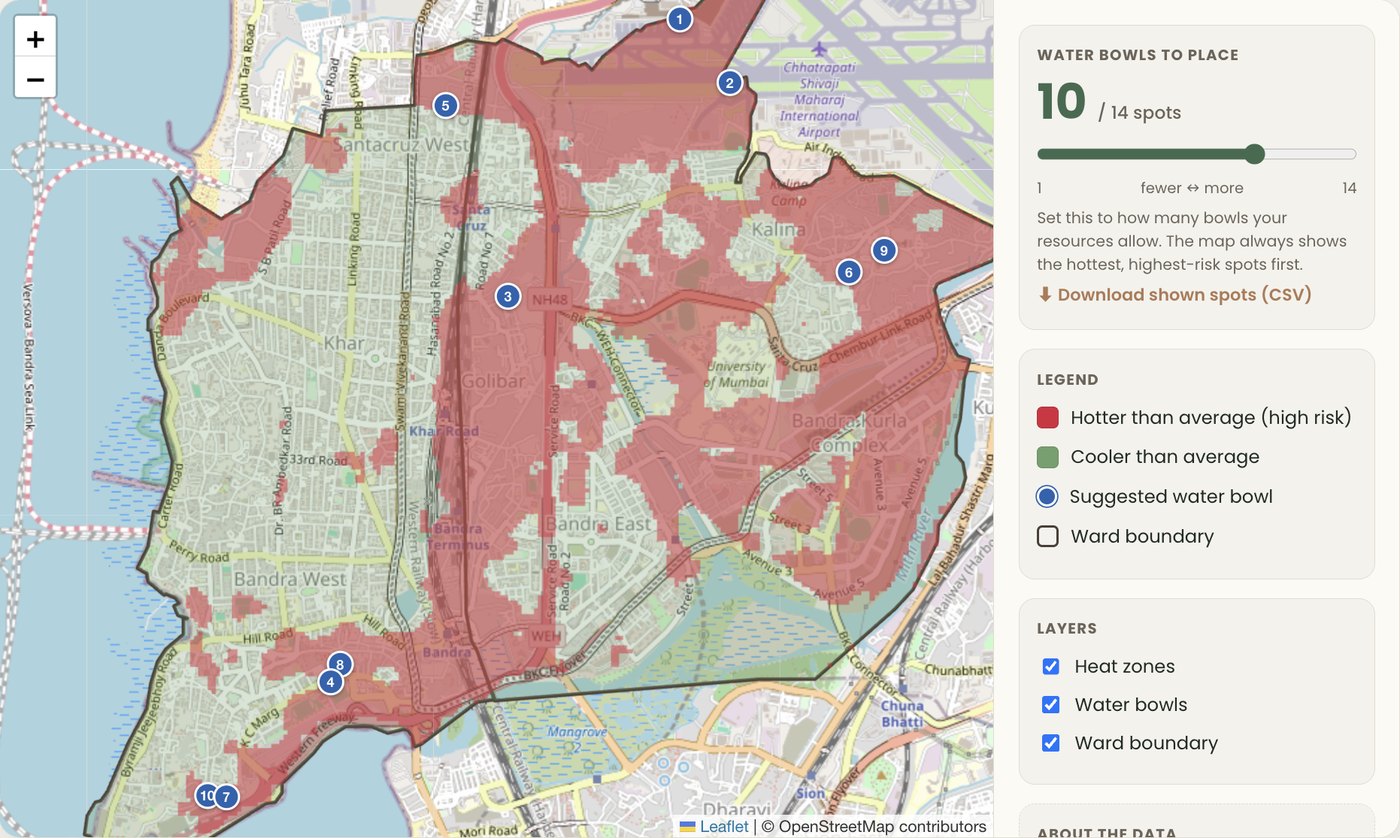
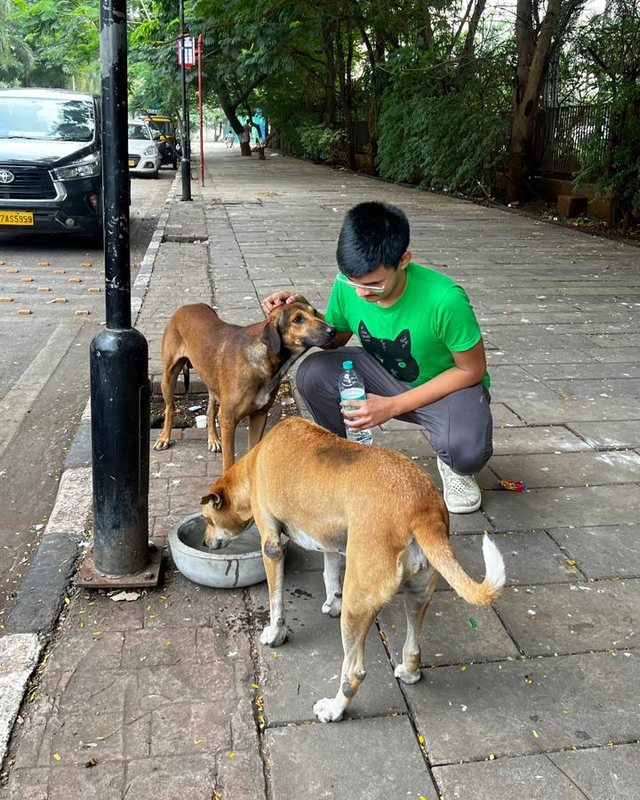
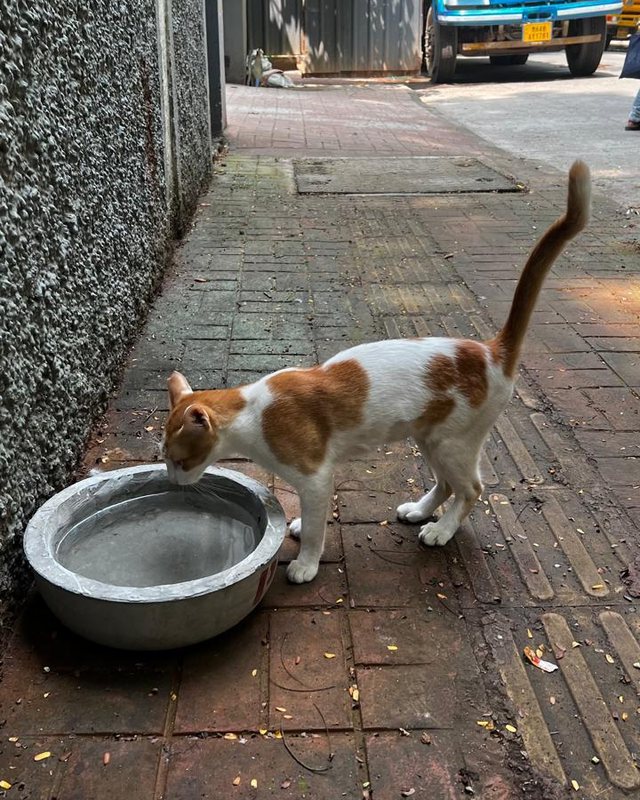
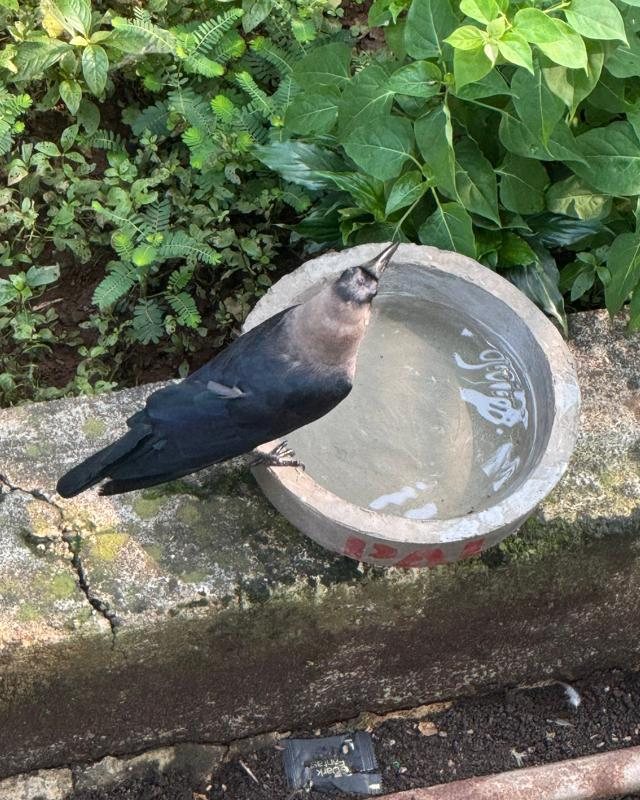
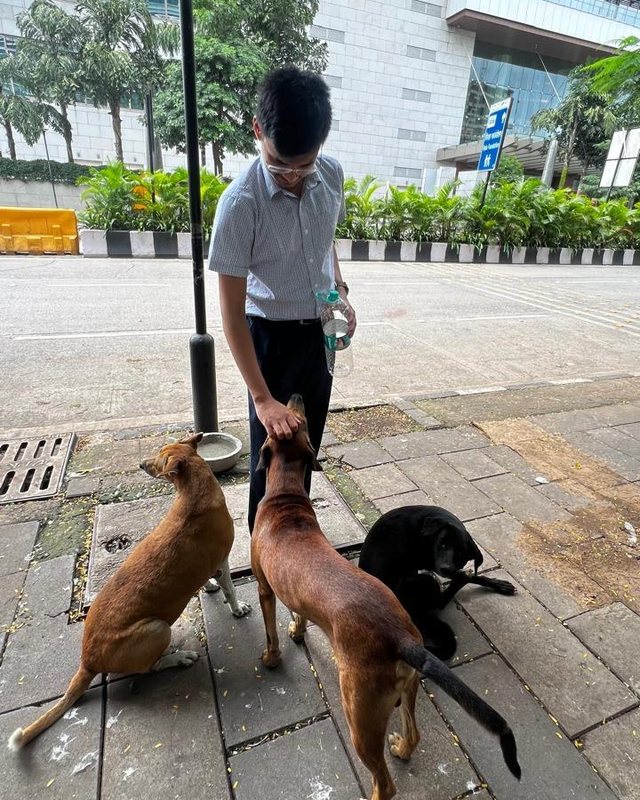
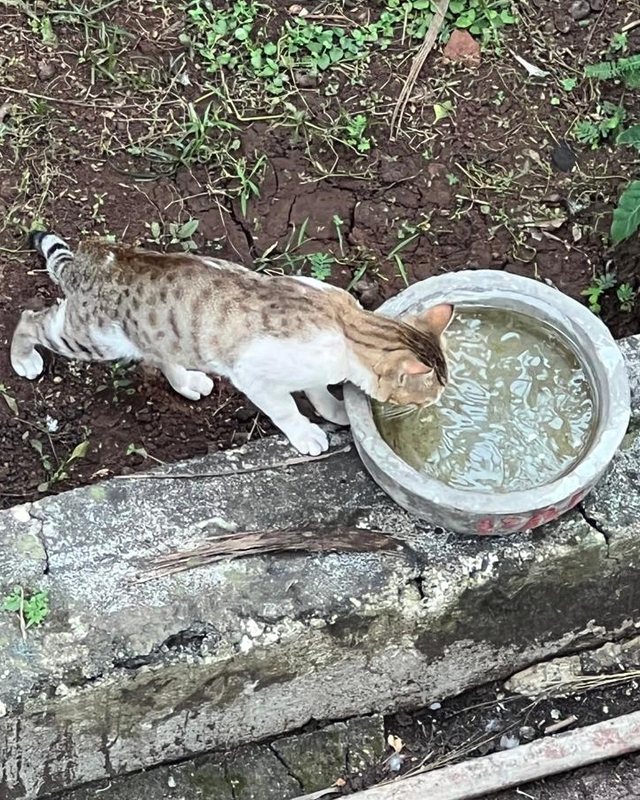
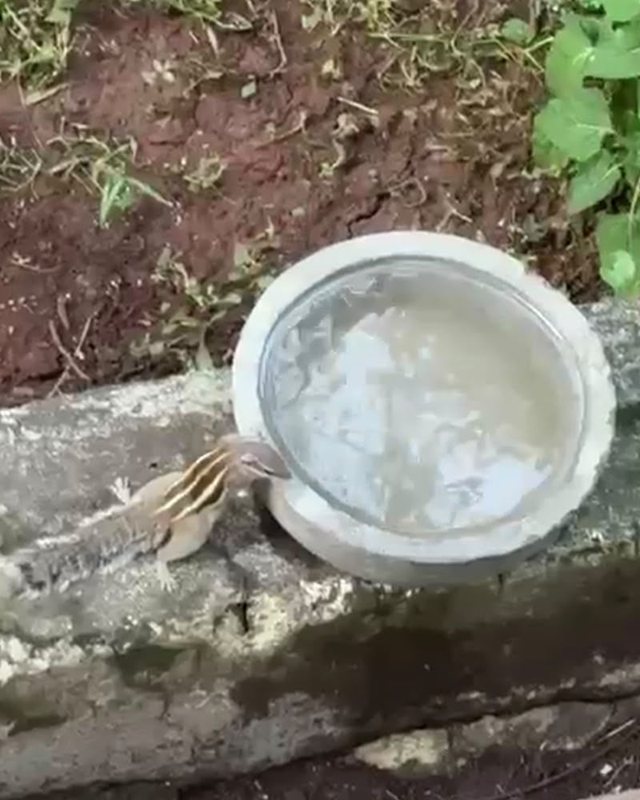
I collaborated with PAL Foundation and Senior Police Inspector Sudhir Kudalkar to place 10+ water bowls in the highest-risk zones.
Urban Heat Mapping for Stray Animals: A Pilot Study in Bandra, Khar and Santacruz, Mumbai
Executive Summary
The urban heat island effect has resulted in significantly increased temperatures in cities such as Mumbai compared to nearby rural areas. This heat burden poses a serious, largely unaddressed risk to street animals, which face increased risks of dehydration and heatstroke. However, water bowl placement for street animals today is driven by informal, volunteer-led effort rather than any data-informed assessment of where heat exposure is greatest. Hence, this project addresses this gap, using Landsat 8 satellite thermal imagery and geospatial safety screening to develop a reproducible methodology for identifying water bowl placement locations. The study has been piloted across Mumbai’s H/West and H/East wards, but the methodology can be expanded to cover a larger region. Using land surface temperature data from March–May 2025, the pilot identified elevated-heat zones aligning with major roads and railways, while cooler regions lay in residential areas near the coast. 14 candidate locations were identified for potential intervention, screened against hazardous areas, including railways, roadways, and water bodies; the number of water bowls can be set based on ward animal population data or available implementation capacity. These points recorded a mean surface temperature 2.08°C above the pilot area’s overall average, confirming the methodology reliably targets genuine thermal hotspots. The outputs of this study are intended to serve organisations such as the Brihanmumbai Municipal Corporation, Non-Governmental Organisations, and local animal welfare organisations to guide heat action planning or volunteer-led placement.
Conflict to Coexistence
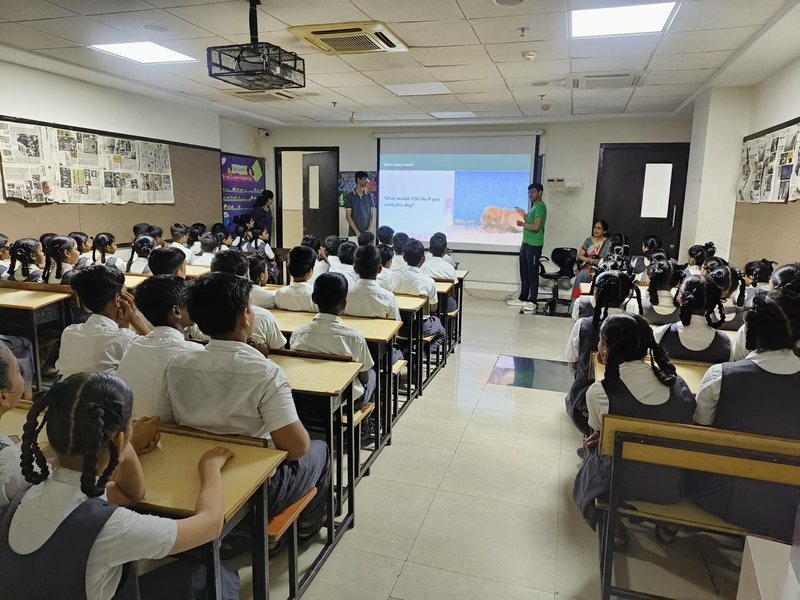
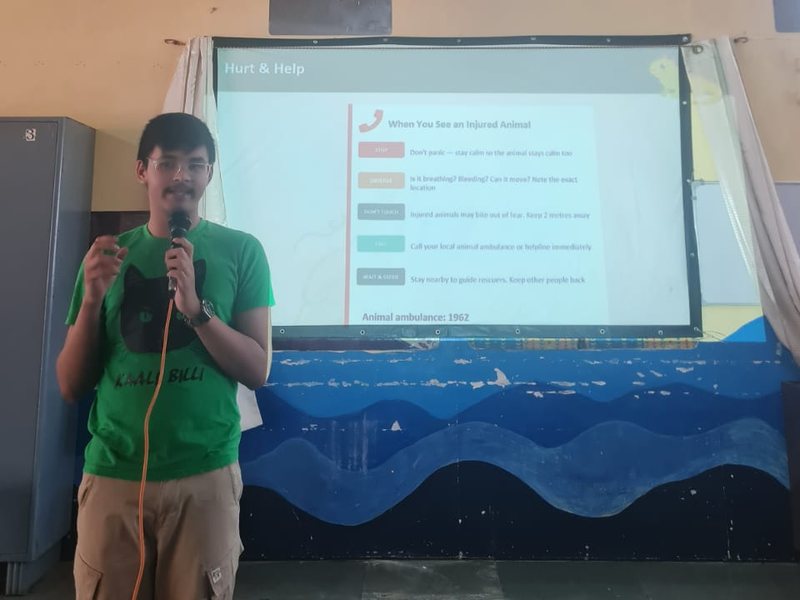
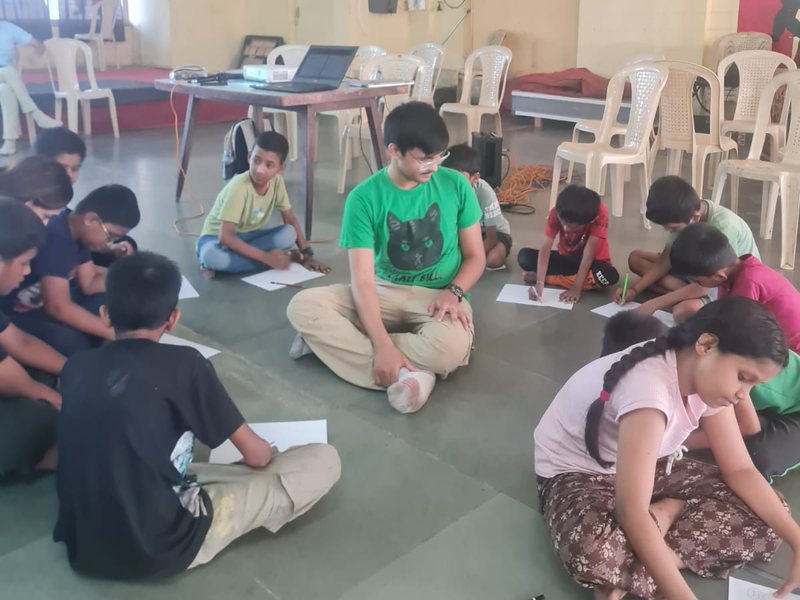
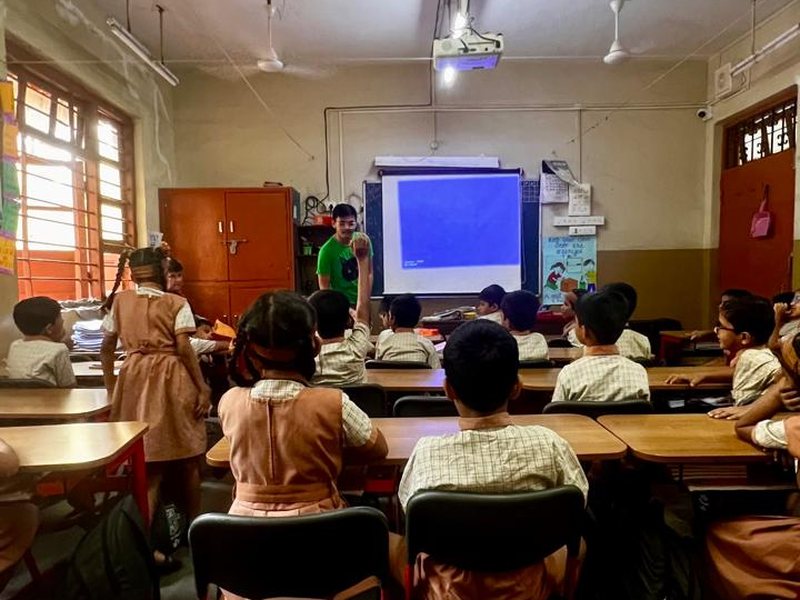
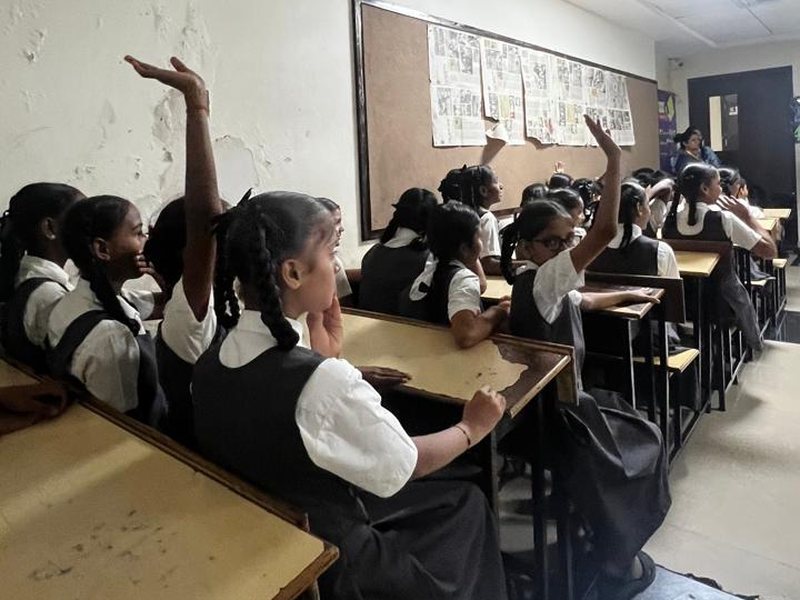
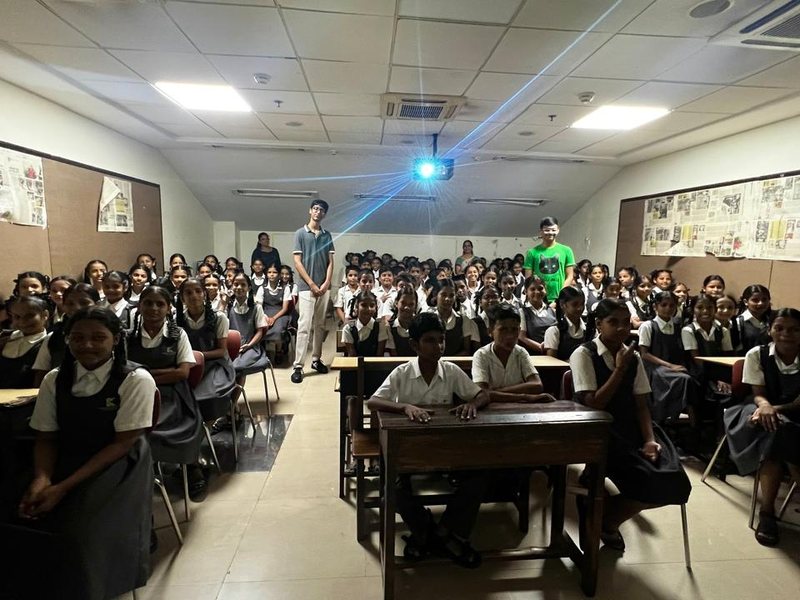
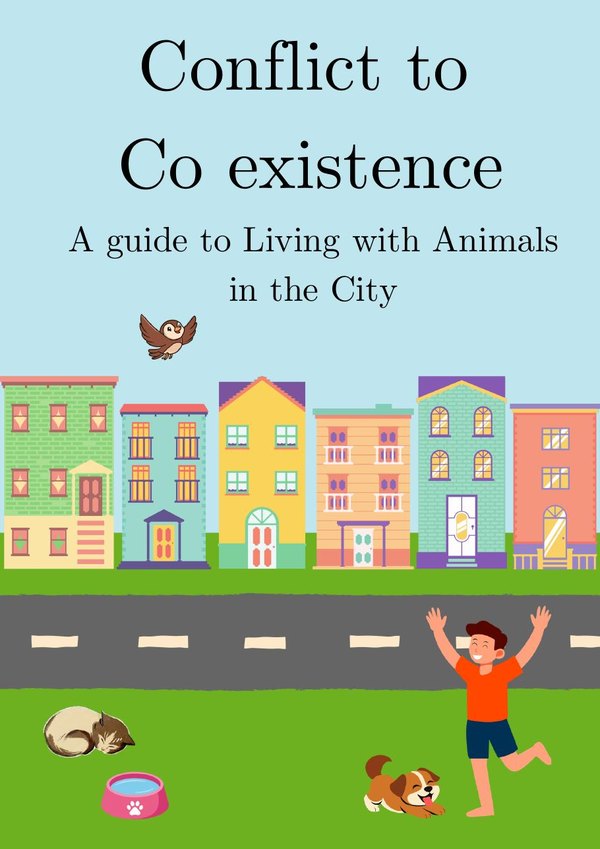
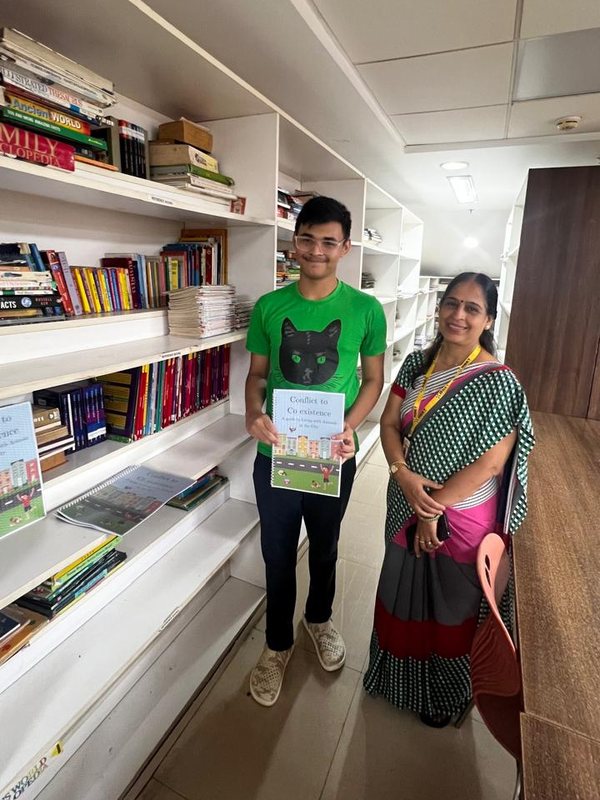
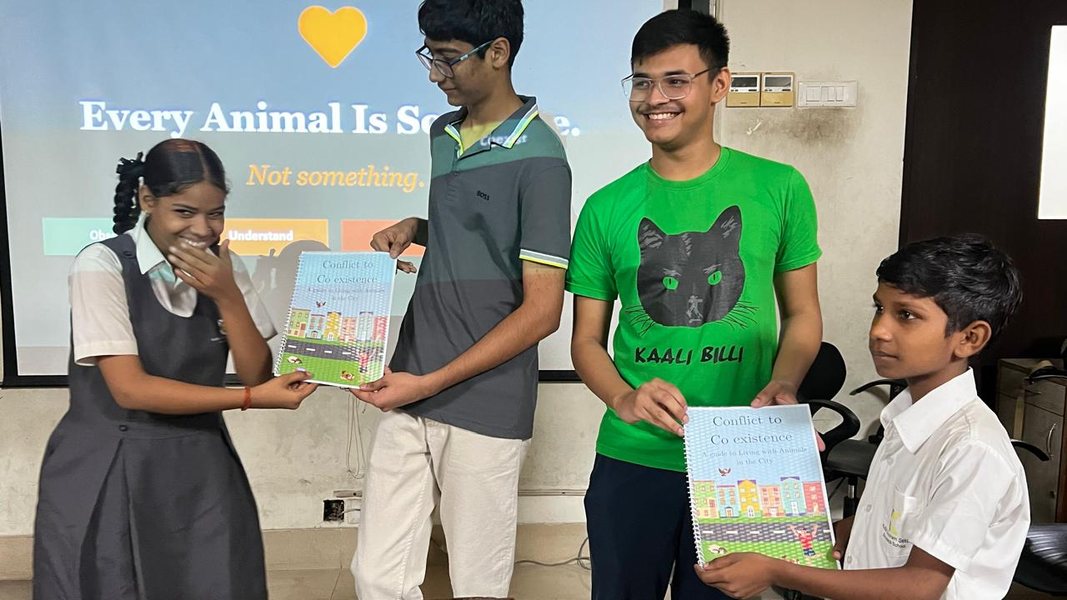
Conflict to Coexistence is a curriculum that helps students understand animal body language, practice safe interactions, and develop empathy towards community animals. I’ve presented to 1,000+ students in collaboration with 10+ schools and NGOs, mentoring 5+ students to continue the initiative.
Partner Organisations
- Pali Chimbai Municipal School
- Kudilal Govindram Seksaria Sarvodaya School
- Kudilal Govindram Seksaria English School
- Aseema Charitable Trust
- Umang Foundation
- Agastya Foundation
- Thinksharp Foundation
- Sahara Charitable Trust
- Children’s Hope India
- Centre for the Study of Social Change
Curriculum
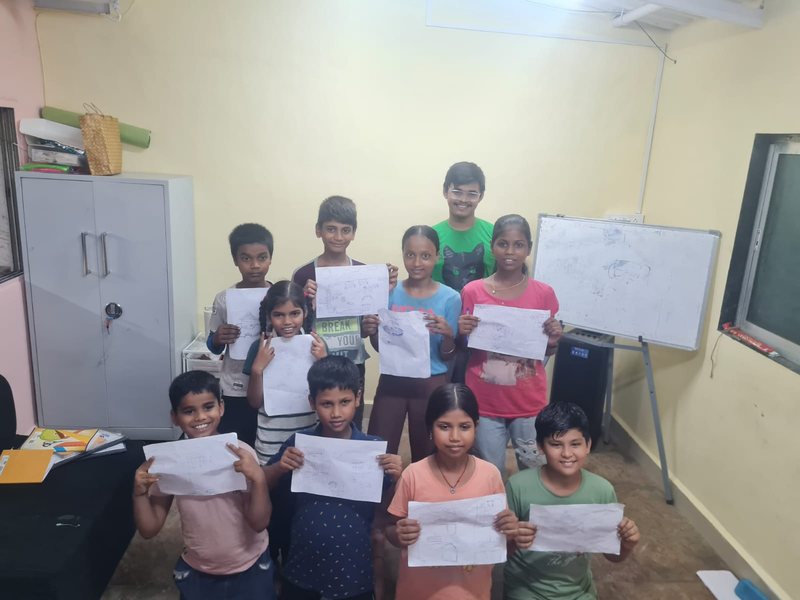
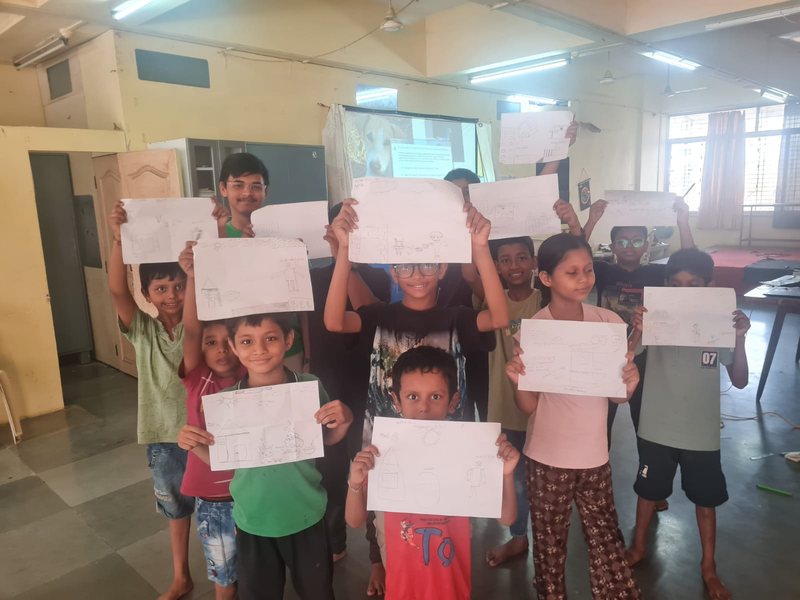
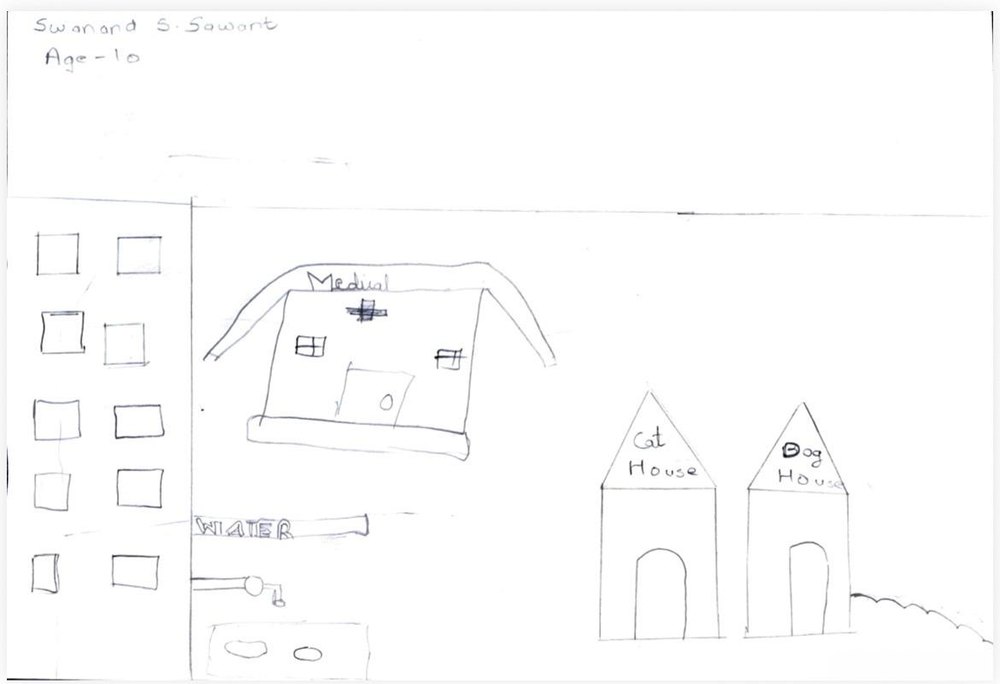
Student Work
“Imagine a city designed for both animals and humans to coexist.”
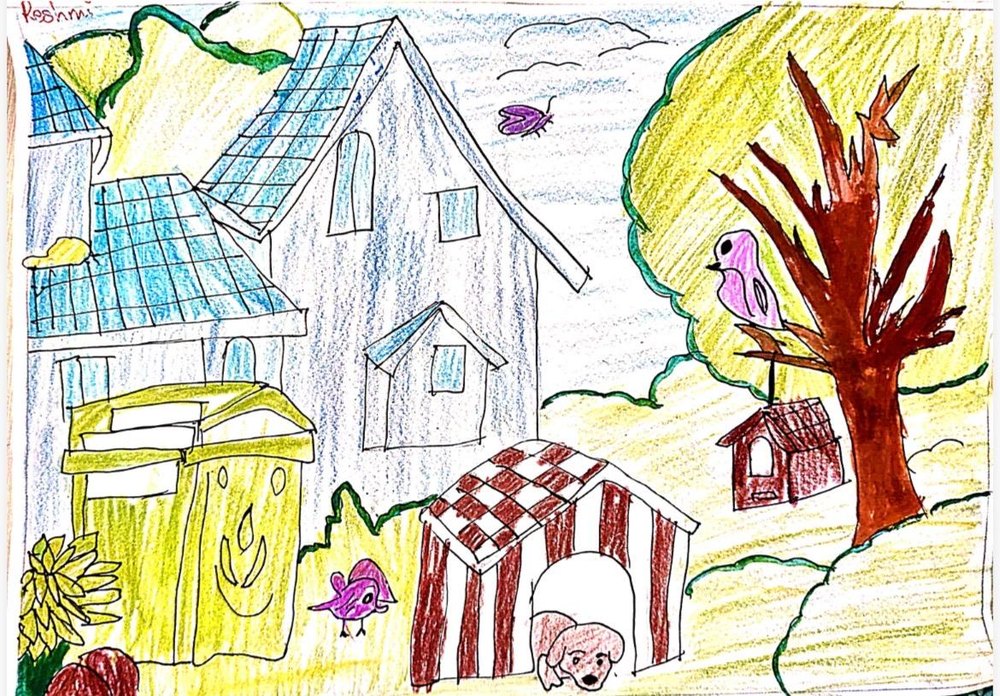
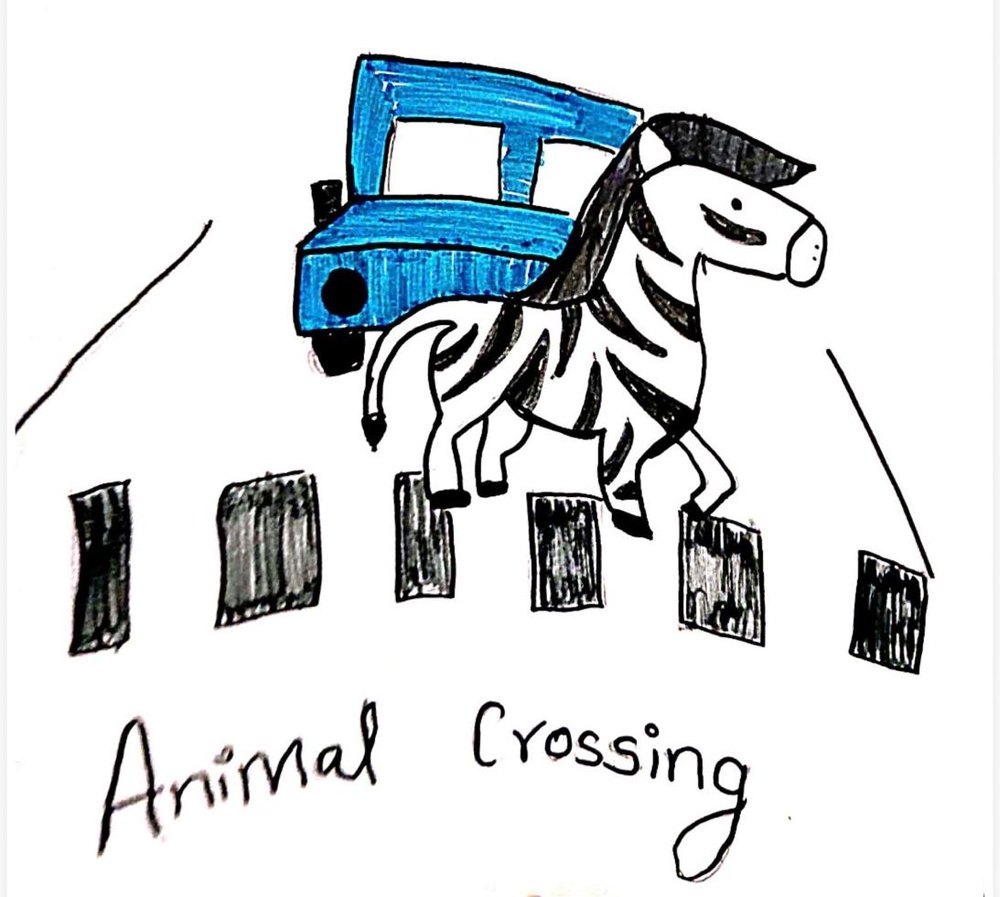
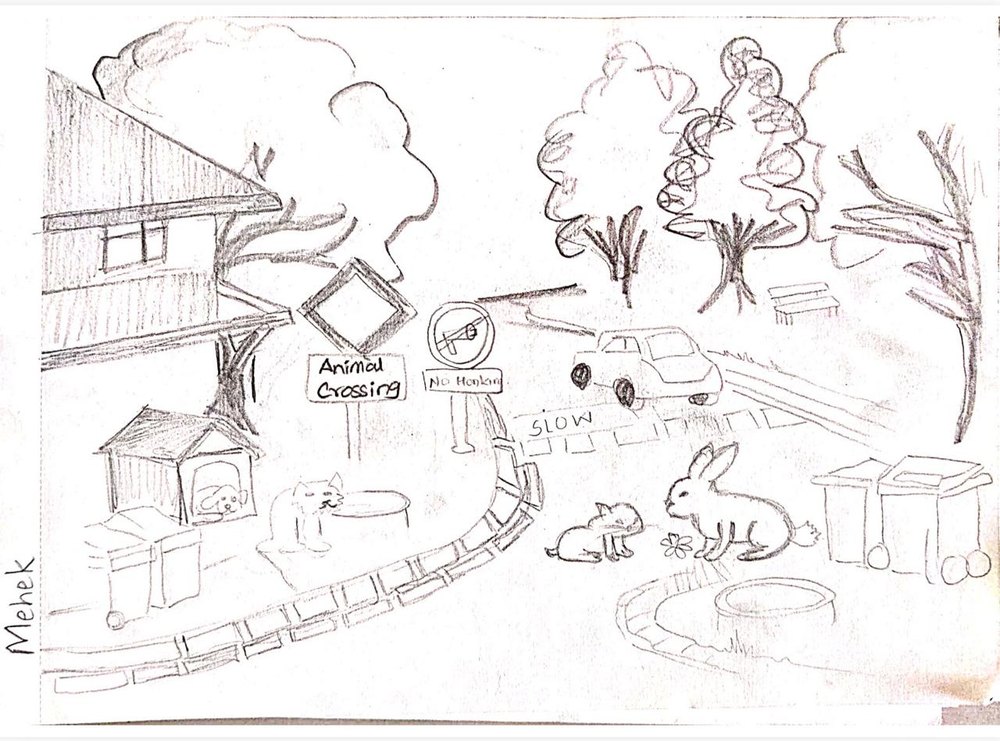
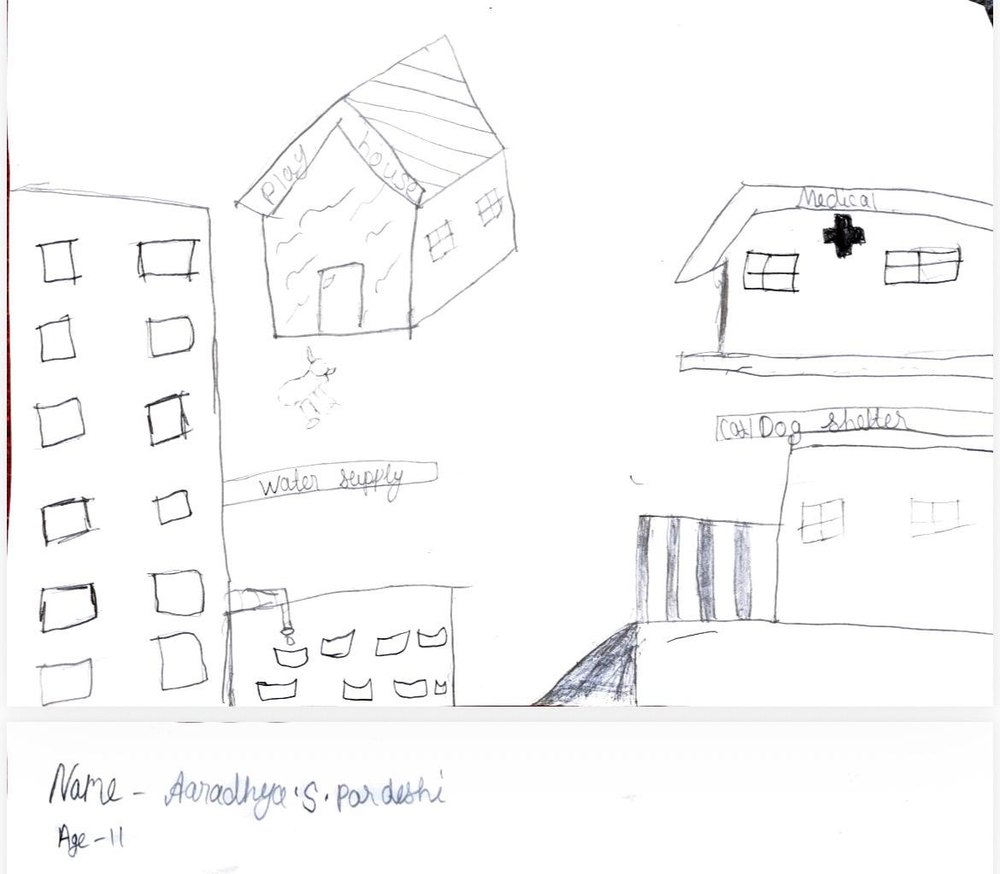
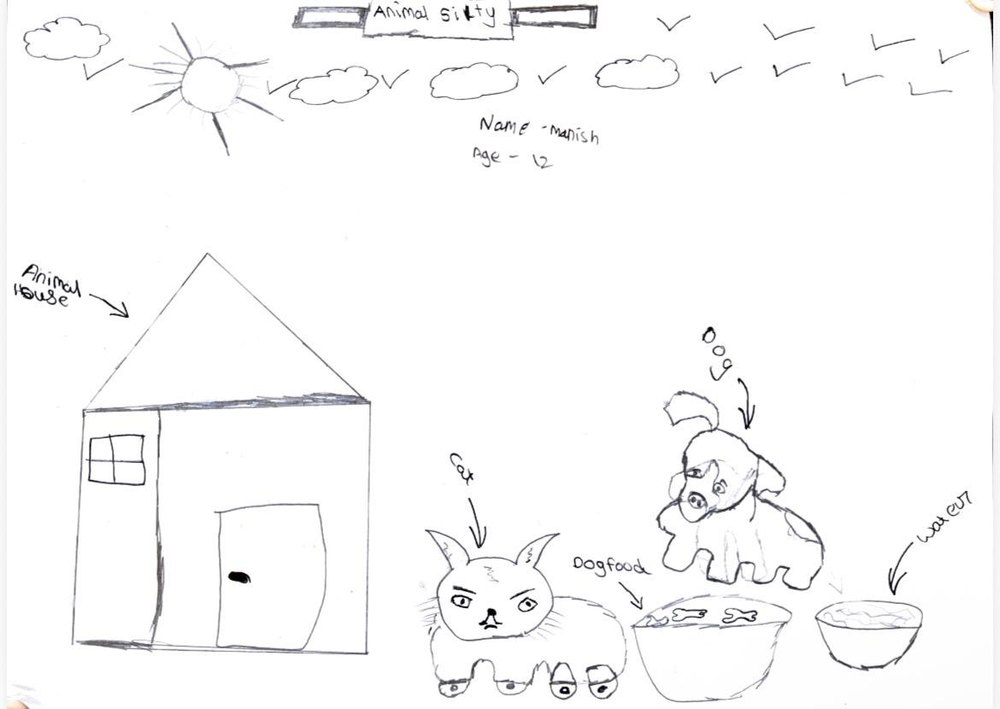
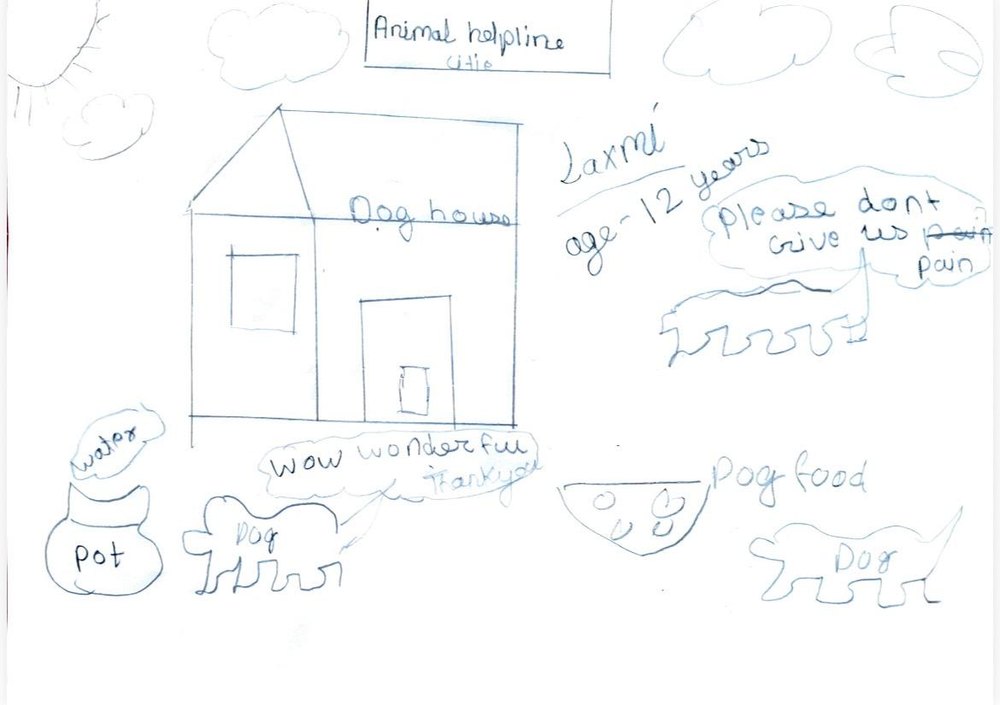
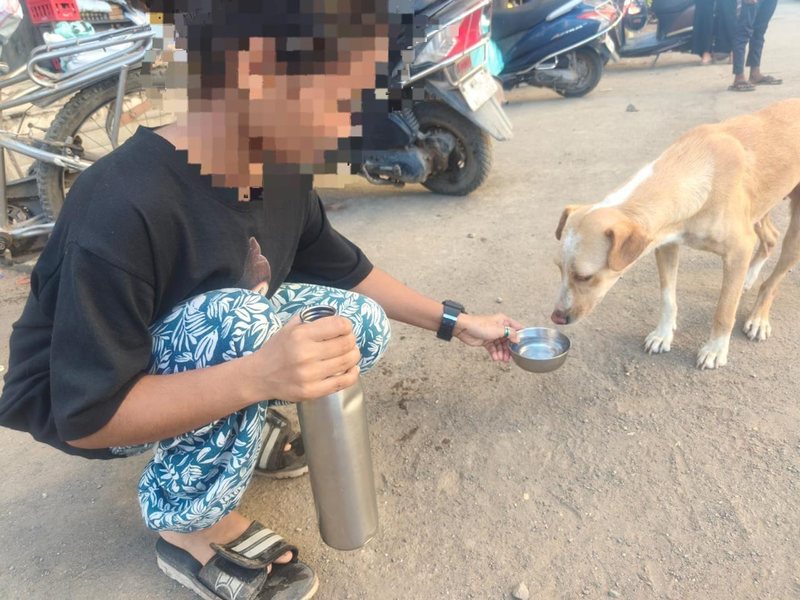
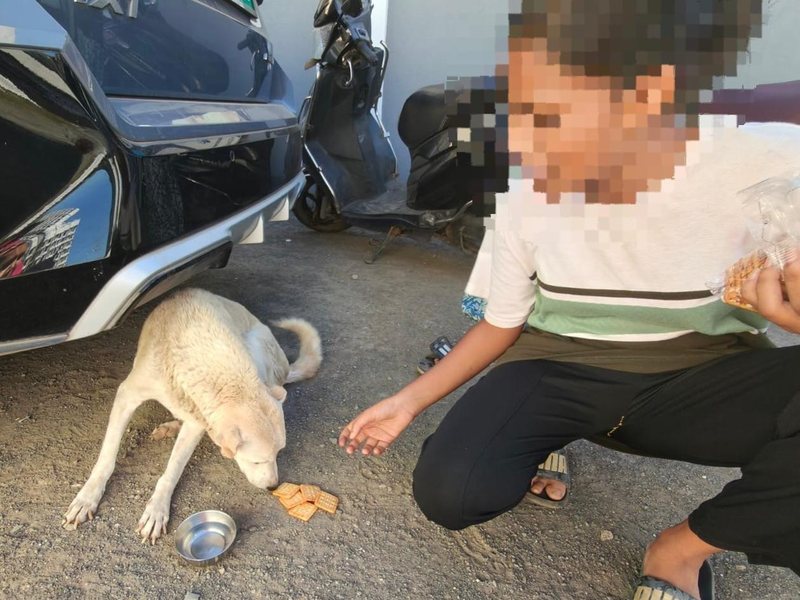
“Leave out food or water for a street animal.”
Workbook

Fundraising
- Raised $3,300+
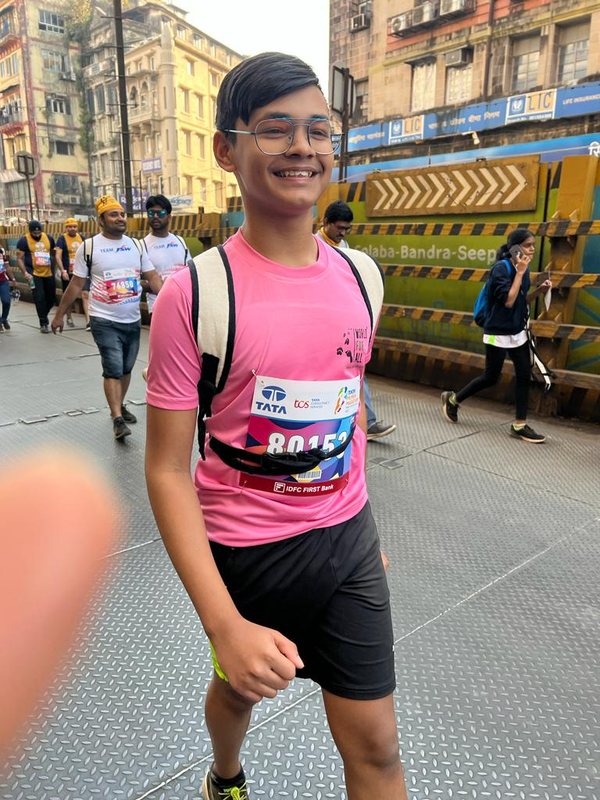
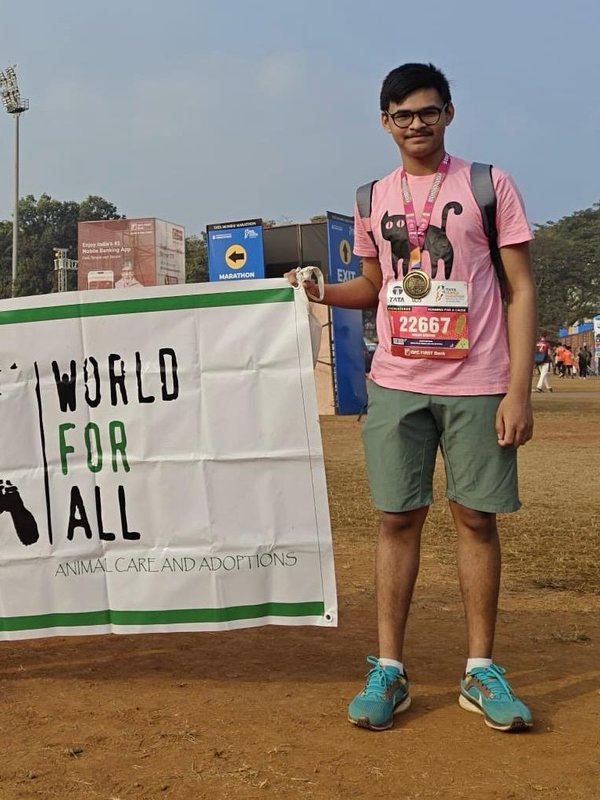
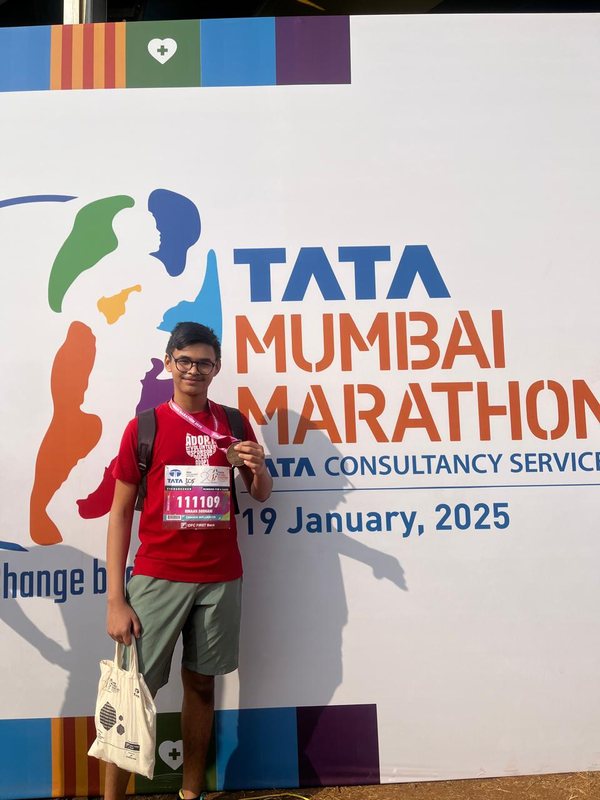
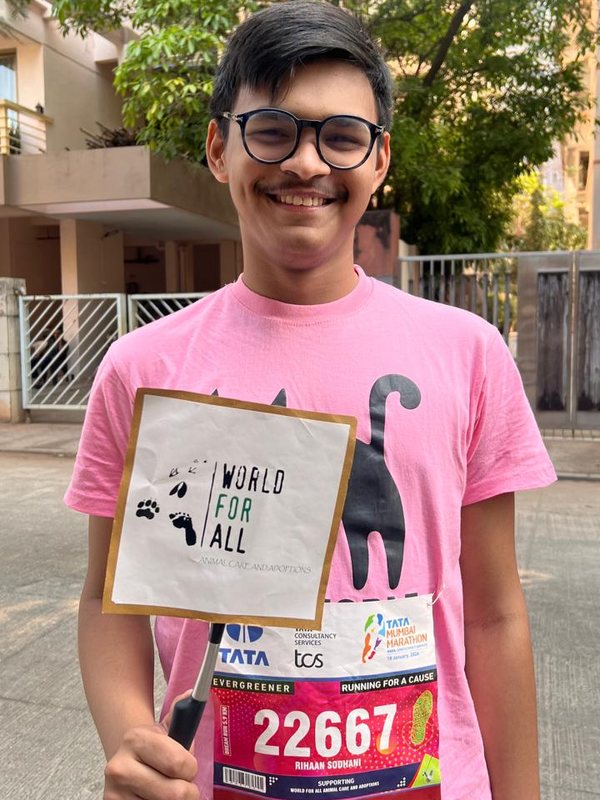
- Running the Tata Mumbai Marathon in support of World For All Animal Care and Adoptions for 4+ years
- Recognized as a Young Leader, with commendation from George Aikara, CEO of United Way of Mumbai
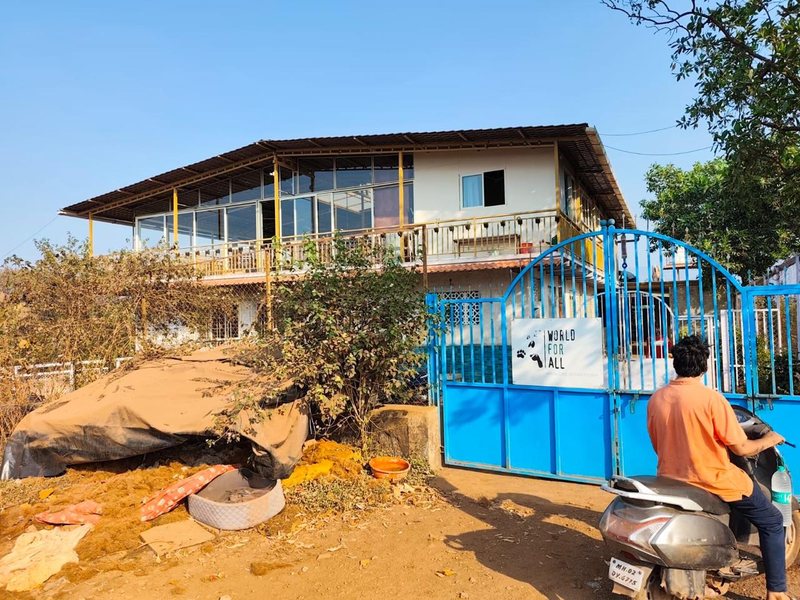
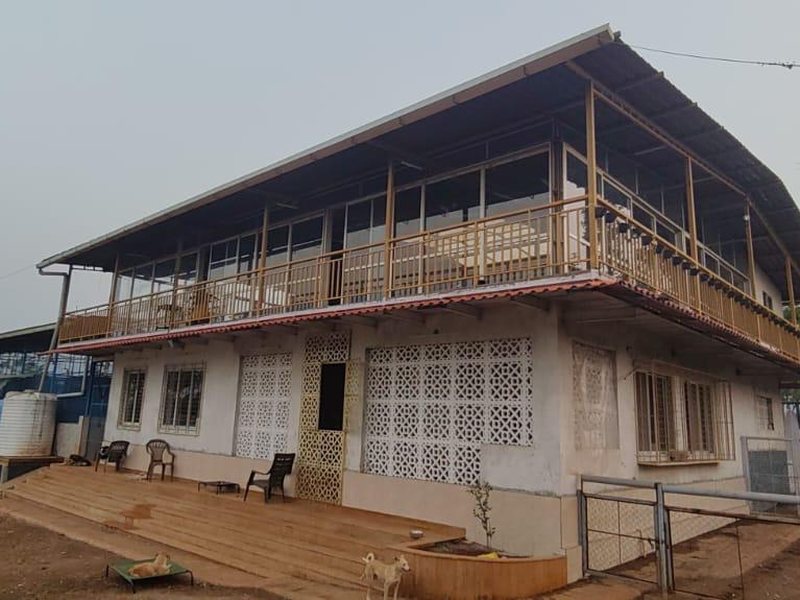
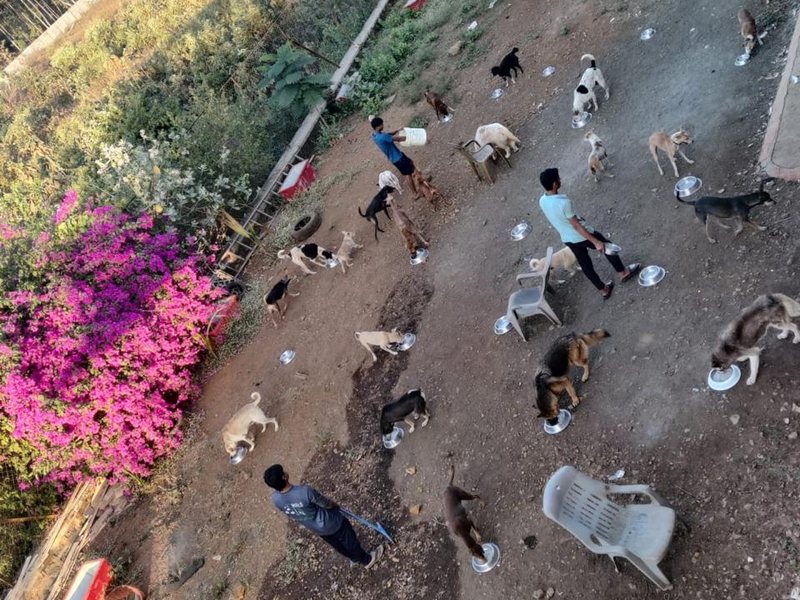
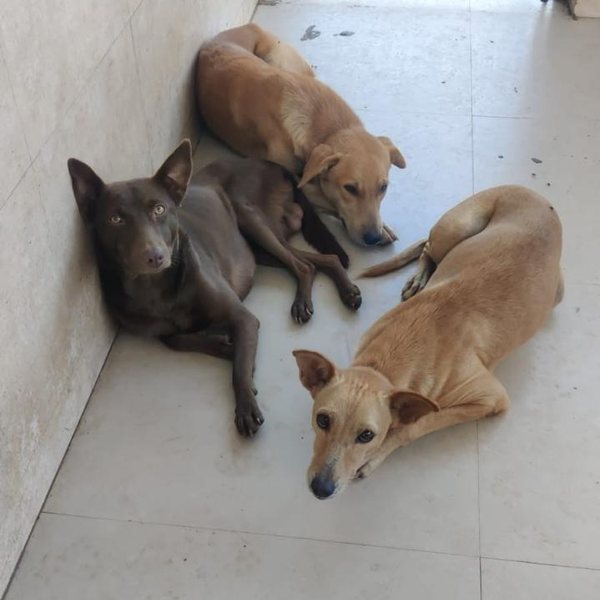
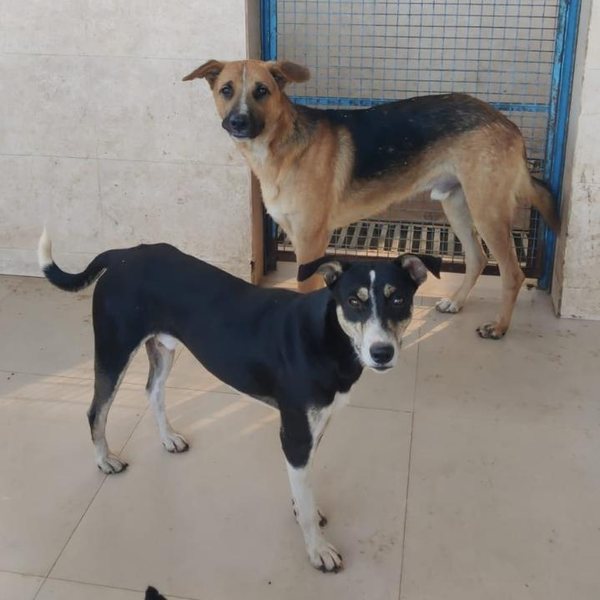
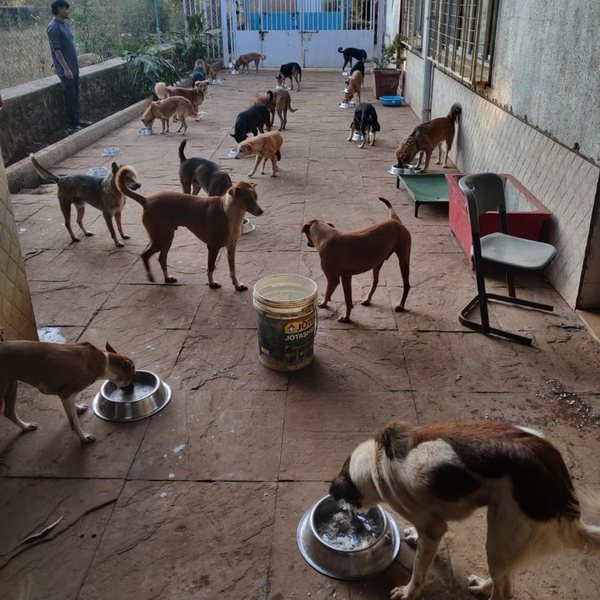
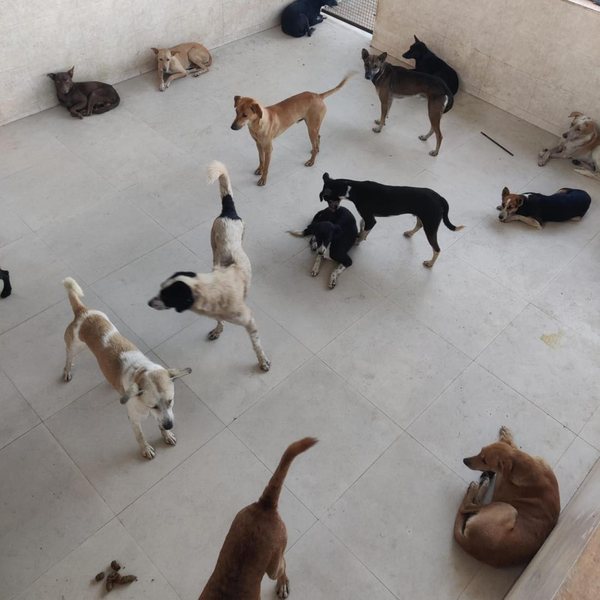
- Helped establish Healing Haven, a canine rehabilitation shelter near Karjat that provides long-term care for 210+ dogs suffering from paralysis, blindness, epilepsy, and other conditions
Tata Mumbai Marathon
Healing Haven